Gaskets (Pressure Cooker Rubber)
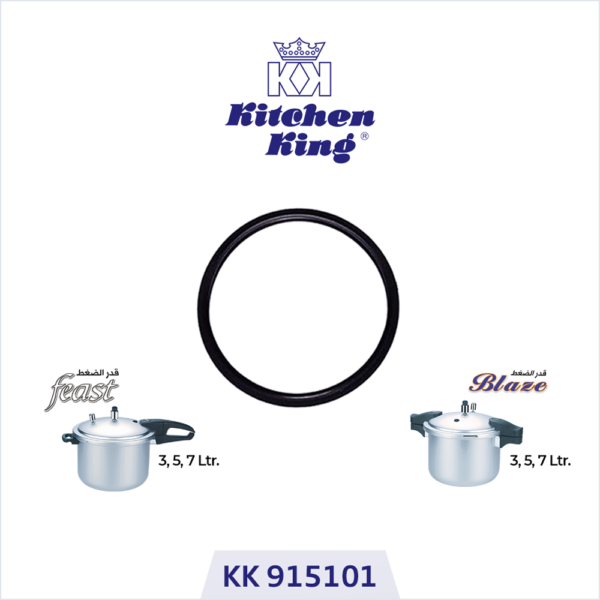
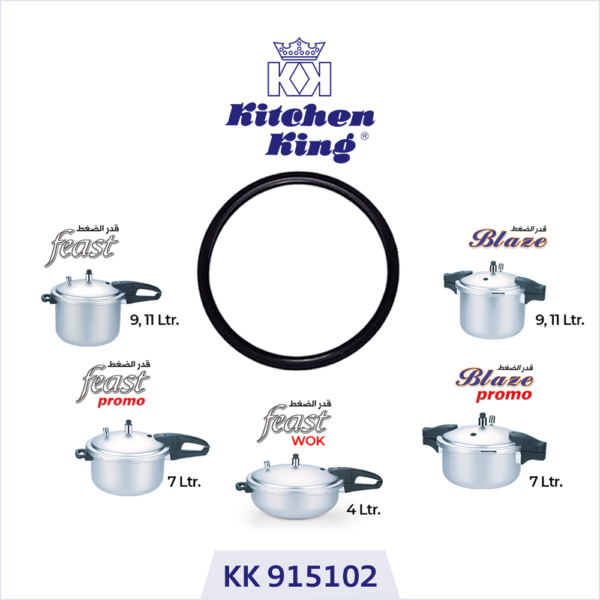
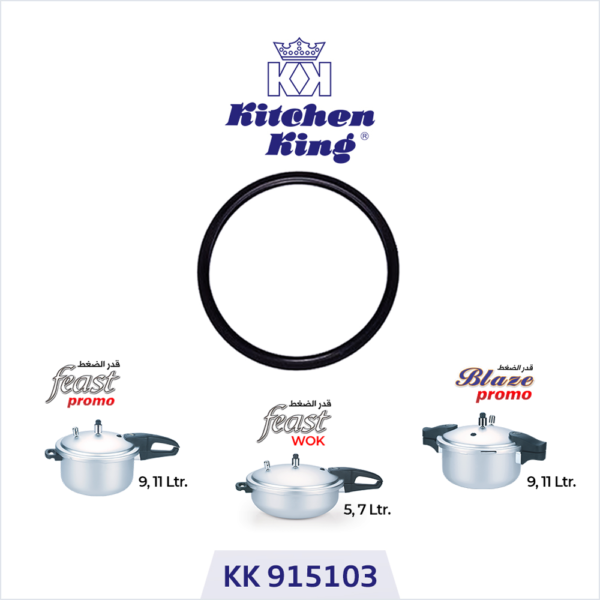
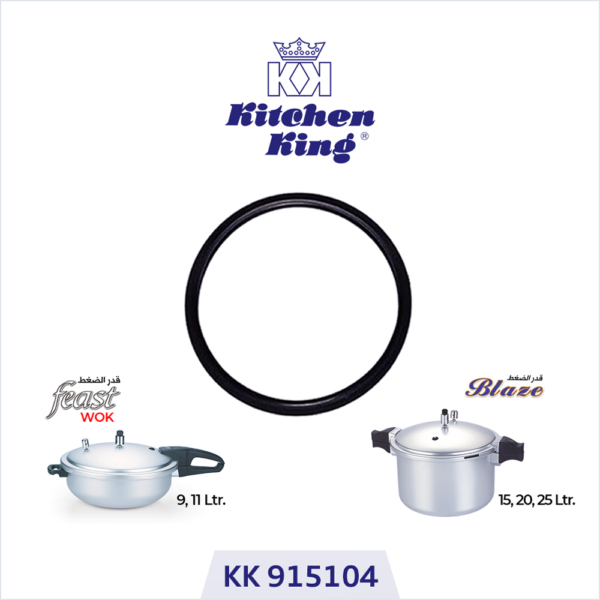
The gasket — the rubber ring that sits in the groove of your pressure cooker lid — is the part that makes the whole thing work. It creates the airtight seal that allows pressure to build inside the cooker, which is what cuts cooking time in half. A gasket that is worn, cracked, stretched, or hardened cannot create that seal properly. If your cooker is taking noticeably longer to come to pressure, steam is escaping from around the lid during cooking, or the air pin is not rising properly, a worn gasket is almost always the cause.
Kitchen King gaskets are genuine manufacturer-made replacement parts — made from the same food-grade rubber used in original production. They fit precisely because they are made to the exact specifications of the cooker, unlike generic replacement rings sold on market openly that may fit loosely, harden faster, or fail to create a complete seal.
Available for 13 cooker sizes: 3L, 4L, 5L, 7L, 9L, 11L,15L,20L,25L,40L,50L,60L,70L, larger commercial sizes. Compatible with the full Kitchen King Blaze and Feast pressure cooker range.
How to identify the right gasket: Check the litre capacity printed or stamped on the base of your cooker body. Order the matching litre size gasket from this page.
How often should I replace my gasket? Under regular daily use in a busy household, a Kitchen King gasket typically lasts 12 to 18 months before it begins to show signs of wear. Replace it before it fails — a preventive replacement is far safer and less disruptive than a mid-cooking seal failure.
FAQs:
Q: Can I use a generic rubber ring sold in market freely instead?
A: Generic rings may fit loosely or harden more quickly than the original material. For a pressure cooker — a safety-critical appliance — we strongly recommend using genuine Kitchen King parts.
Q: My gasket looks fine but my cooker is losing pressure. What's wrong?
A: A gasket can appear intact but have lost its elasticity, meaning it no longer expands under heat to form a full seal. If your cooker is consistently slow to reach pressure or releases steam around the lid, replacing the gasket is the right first step.